

With EOIs open for round two of the LitUp authors in communities program, we sat down with LitUp’s Program Manager, Bec Kavanagh, to share some tips and advice.
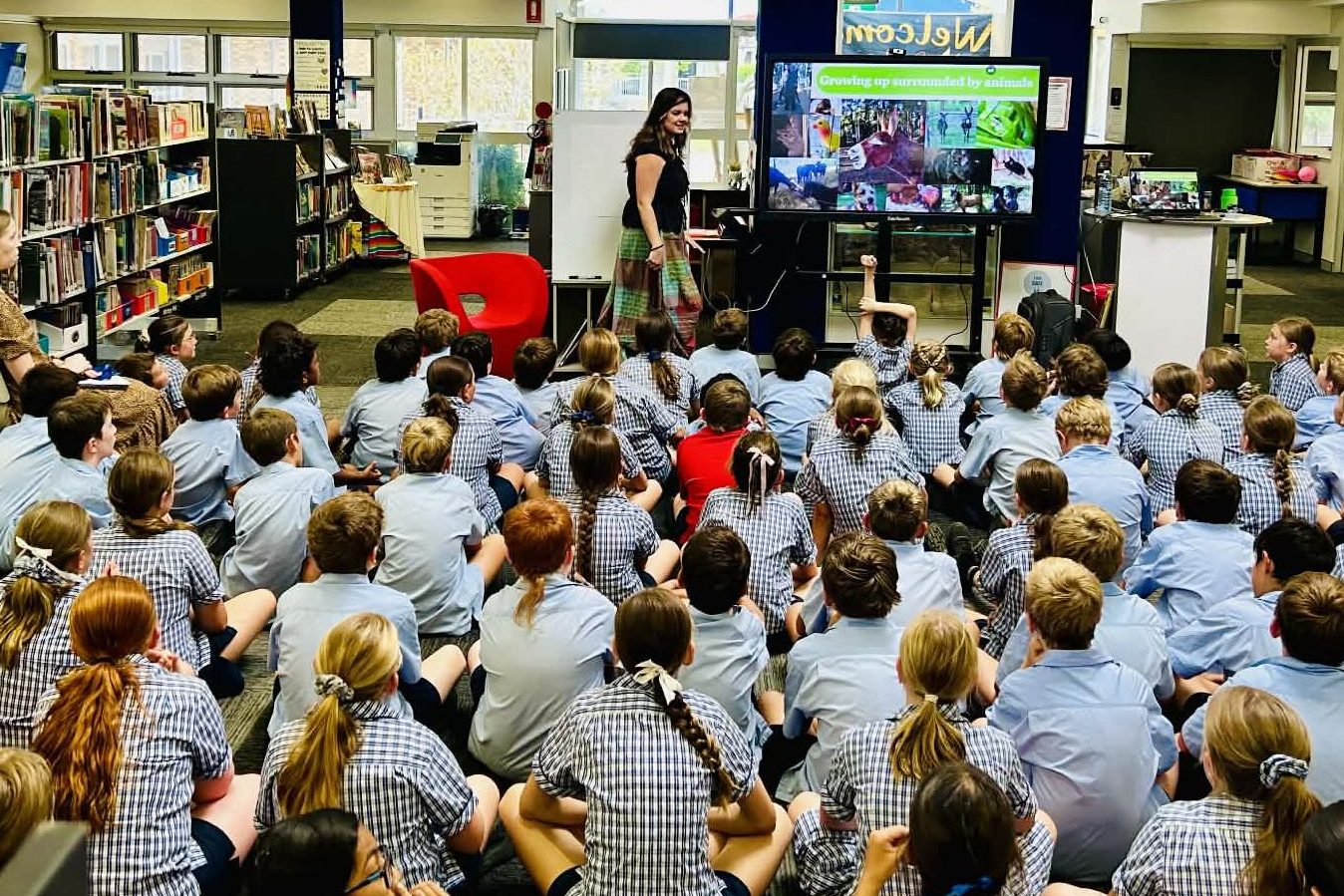
1. What do schools, libraries and bookshops get out of participating in the LitUp program?
So much! One of the major appeals of LitUp I think is that its funding is so comprehensive: we provide funding for a visiting author/illustrator to run three sessions, and also cover their flights, travel and accommodation.
But I think the real value comes in the structural support: the resources and community that participants have access to. We’ve basically developed a step-by-step program to run successful events, complete with free poster templates, author suggestions, promotional material, budget templates and more.
We also offer one-on-one support and connect participants with nearby partners (libraries, bookshops, schools). What this means is that participants come out of the program not only with the confidence of having successfully run an incredible live literature event for their community, but that they’ve got the skills, tools and connections to be able to do it again. I’ve seen this happen already in year one, and am enormously proud of what the communities have been able to achieve by working together in this way.
2. What advice would you give to people applying for the LitUp program?
I think it’s really important for people who want to run events to be willing to commit to the process.
It’s not an onerous one – there’s plenty of support in place to save time and reduce stress, and there’s a long lead as well (participants will have nearly a year to plan and run their events). But there’s also an expectation that people who have put their hands up to run LitUp in their community will actually do so, and this involves meeting a few key deadlines (outlined in the program overview) and maintaining clear communication with LitUp staff.
It can be a good idea to ensure that you have the support of your colleagues to ensure that you’ll have that back-up in place.
3. What makes an application really stand out?
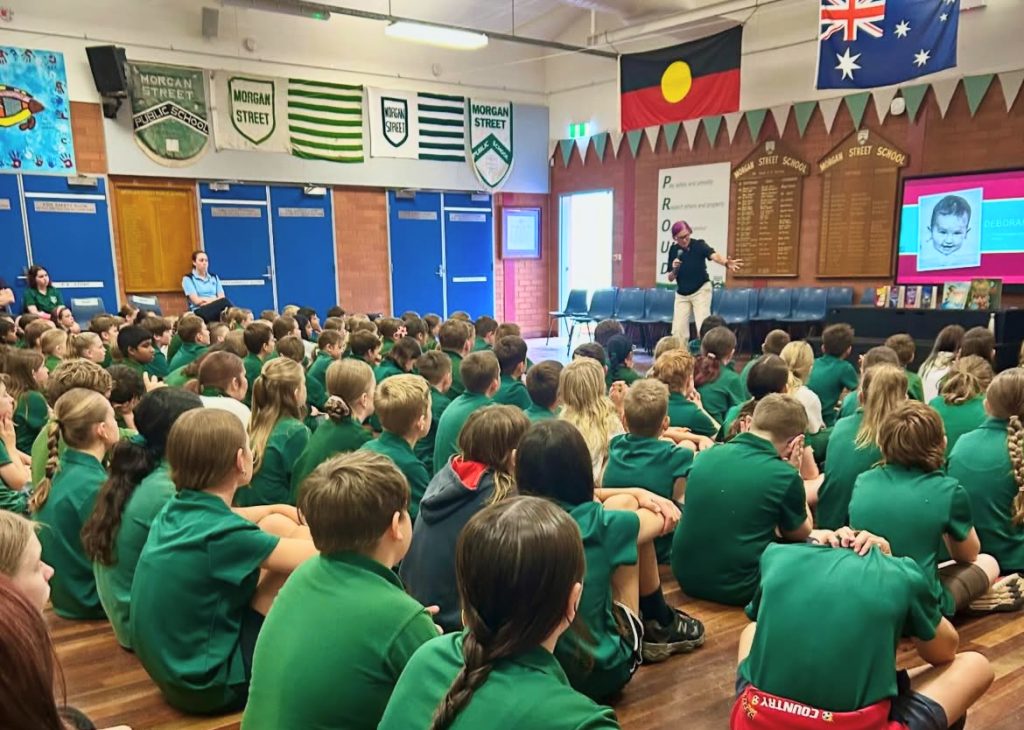
The applications that stood out in round one were those that really clearly expressed a community need. This can take many shapes: perhaps its previous barriers such as distance, lack of funding, lack of support; perhaps there’s a social reason that the community would particularly benefit from a live literature event at this time; perhaps new infrastructure or staffing has opened up new possibilities to run events.
Whatever it is, we want to see this underpinning the application itself. It helps us to determine which participants will most benefit from the program, but also to see who has really considered and understood their audience.
The application process is deliberately straightforward – we know that overly complicated application and acquittal processes can themselves be a barrier to access funding and support. Having said that, I definitely take note of when applicants have put some thought into their answers by the level of detail and specificity.
Find out more about LitUp round two and submit your EOI now!