
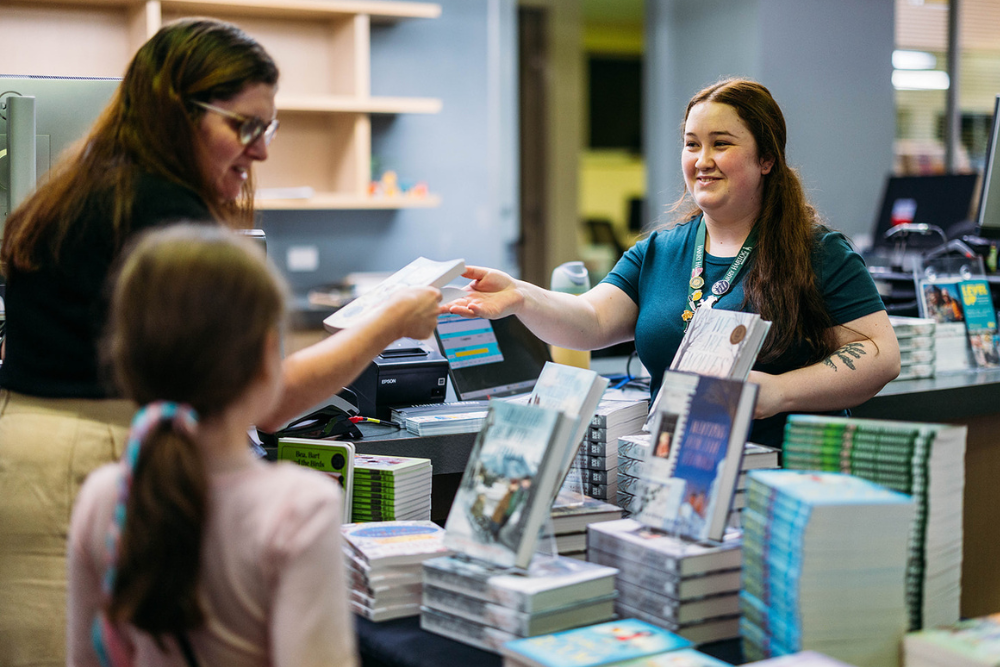
Bookshops are a vital part of the cultural infrastructure that supports reading – providing access, sharing knowledge, and connecting communities around reading.
From big cities to regional towns, bookshops are spaces for ideas and discussion, opportunities for entertainment or social interaction, and places for quiet reflection – often all at once!
In joining the mission to build reading rates, Australian booksellers are exchanging thoughts on what community engagement looks like, and how the many different communities within our neighbourhoods need different ways into reading in order to feel comfortable.
We share the latest insights and innovations from booksellers from the recent Australian Booksellers Association (ABA) and QBD Books conferences.
Embracing avenues for discovery
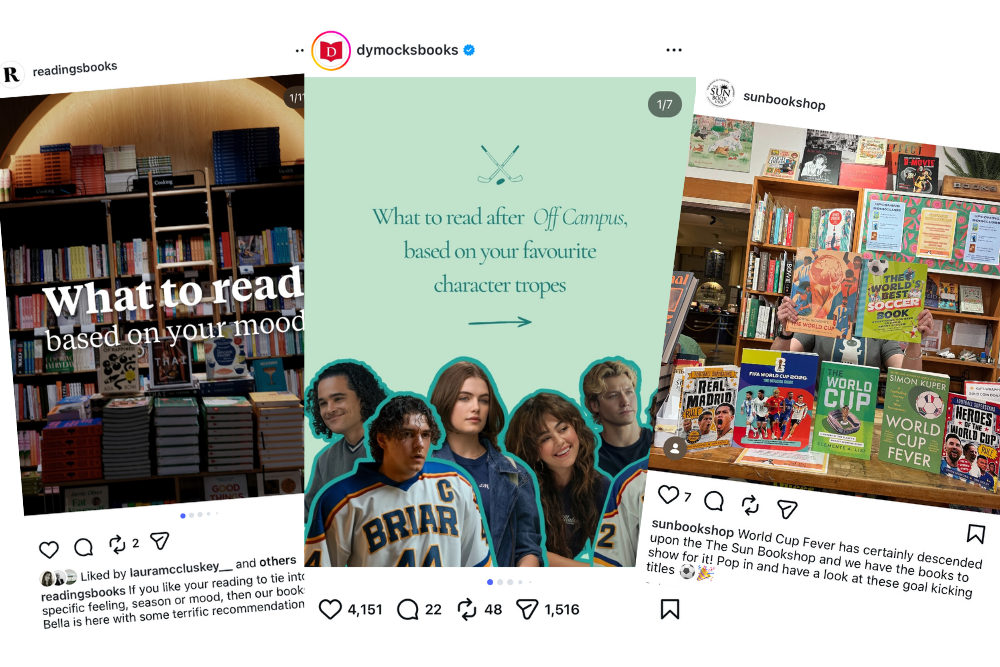
Bookshops are employing different styles of messaging to connect all kinds of readers with books they’ll enjoy. Beyond traditional new release and genre promotions, staff are exploring promotions that respond to mood, hobbies, routines and interests.
That includes experimenting with different ways of interacting with customers. A direct welcome at the door might work for one sort of customer, while others may prefer written options, like shelf-talkers written by other locals, with recommended reads.
Booksellers have also reported that questions like ‘What are you in the mood for today?’, ‘What was the last book you really enjoyed?’, ‘Can I show you a book people are loving at the moment?’ or ‘If you like that section, I’ve got a great pick for you’ can also provide alternative pathways to connect with new or unsure customers.
Bookshop staff are exploring promotions that respond to mood, hobbies, routines and interests.
These approaches are backed by findings from the Understanding Australian Readers report, and are particularly effective for lapsed and aspirational readers, who face a range of barriers to reading that include skills around browsing and choosing books.
Re-imagining visual displays
A good bookshop is more than just books on shelves. It’s about enticing readers’ curiosity and sparking wonder about books and reading.
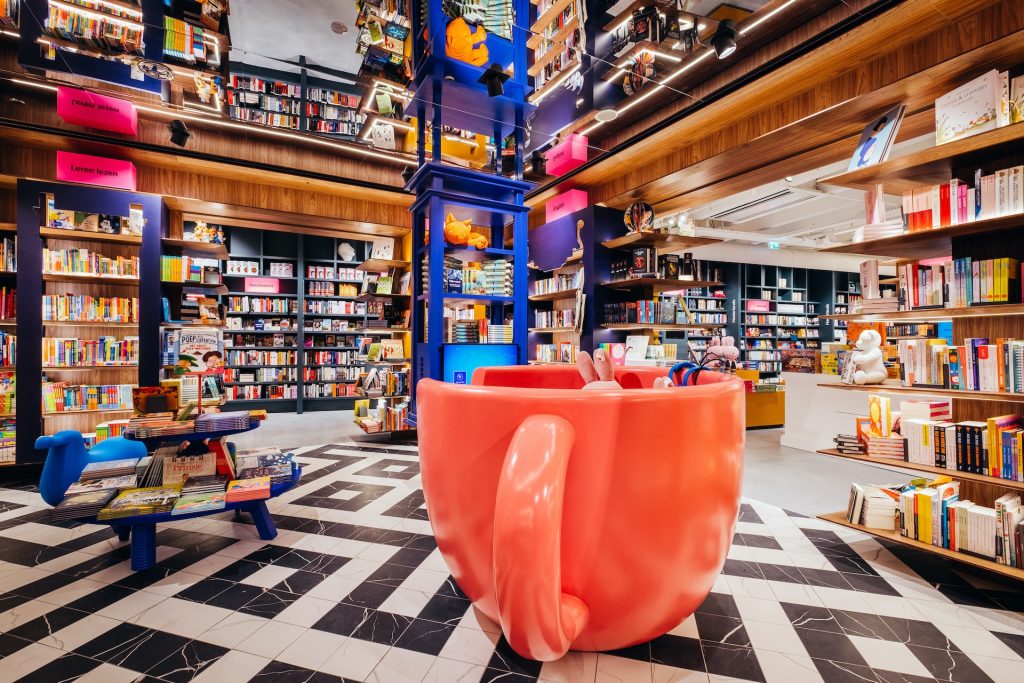
Australian bookshops are paying close attention to merchandising, displays, and layout as ways of attracting new customers.
Bookshops should be a social space, have a strong visual focus and create an experience for all the senses.
Keynote speaker at the ABA conference, Fabian Paagman, emphasised that bookshops should be a social space, have a strong visual focus and create an experience for all the senses. In his popular chain of Netherlands bookshops, it’s not only the books that appeal to certain age-groups or readers, but the design of the shelves themselves. Paagman and his team look for ways to appeal to all five senses, taking their inspiration from candy stores – providing visual excitement, like playful shelving that attracts customers through visual cues rather than written signage.
Expanding book clubs
With a resurgence in book clubs reported by sites like Eventbrite and MeetUp, more Australians are seeking the structure and social experience that book clubs offer.
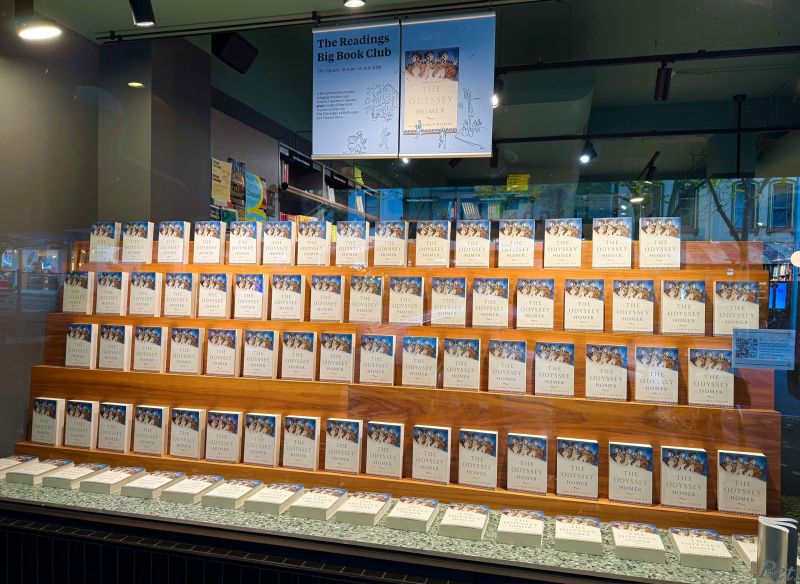
Book clubs address a number of barriers to reading: providing a framework to discover new authors (without the choice overwhelm!), encouraging people to make time for reading, and providing a structured and safe space for readers to connect with others.
To respond to this growing demand, bookshops across Australia are stepping up to facilitate and devise new book club experiences for customers – from ‘Meet-Cute’, to ‘Bad Women’ to ‘Big Books’ book clubs. These tailored experiences respond to readers’ individual interests and provide new ways for readers to come together.
Hosting more live events
Meeting an author or illustrator can be a life-changing experience for readers. Australian bookshops already play a vital role in bringing authors into communities, providing year-round access to live literature events.
As demand for in-person experiences grow, many bookshops are looking for ways to bring more authors into communities.
As demand for in-person experiences grow, many bookshops are looking for ways to bring more authors and illustrators into communities.
This isn’t always easy, though. Research shows that many bookshops have barriers to holding live events: including cost, labour and physical space.
As a result, we’ve seen a number of opportunities launched to support bookshops to run more events, including the Penguin Random House Children’s Bookseller grant, the LitUp program, and a new grant from the ABA and Writing Australia (applications now open!)
These opportunities have proven popular, and seen many Australian bookshops ‘dream big’ in terms of what’s possible for hosting live events.